The greatest luxury isn’t owning a Rolex. It’s building a life worthy of one.
When people think of Rolex…
They think of success.
Achievement.
Precision.
Perhaps the most recognizable watch ever created.
Very few think about the little boy who lost everything before he had the chance to build anything.
Before the Crown…
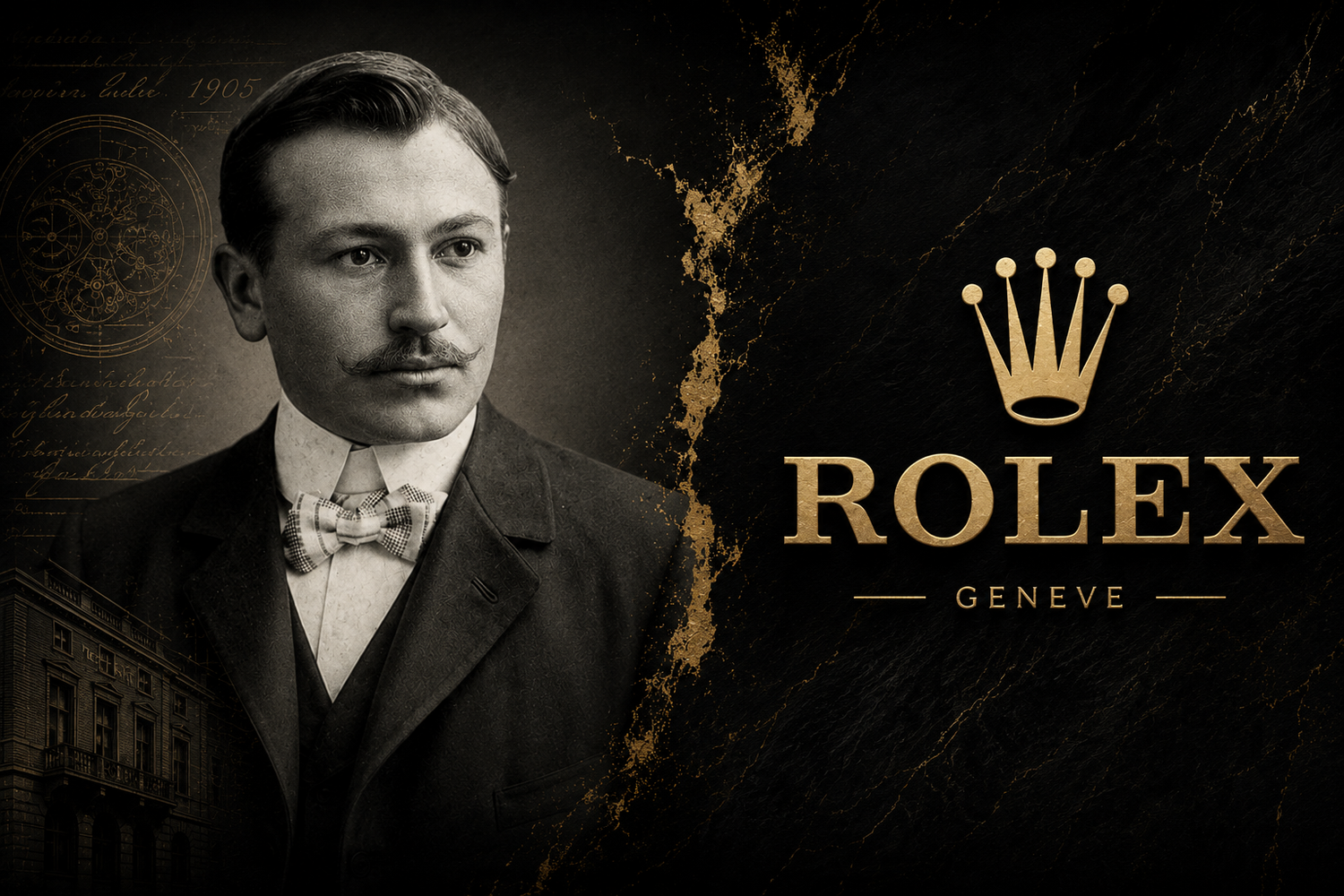
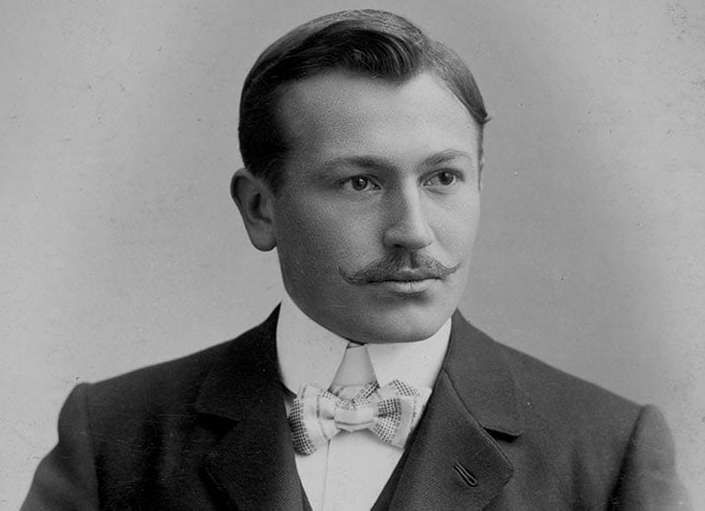
Hans Wilsdorf wasn’t born into wealth.
He wasn’t raised inside a family business.
He wasn’t handed a legacy.
Before his twelfth birthday, both of his parents had passed away.
An orphan at an age when most children still depended on their families, Hans was forced to mature far sooner than he ever should have.
Most people would have seen tragedy.
Hans saw purpose.
More About This Legend:
Time tells us how long a person lived. Legacy tells us why they mattered.
Before Rolex became the crown worn by presidents, explorers, champions and visionaries, it was only an impossible idea in the mind of an orphan.
Hans Wilsdorf was born in Germany in 1881. By the age of twelve, he had lost both of his parents.
There was no inheritance waiting for him.
No powerful family name opening doors.
No luxury empire prepared for him to lead.
Only loss, discipline and a belief that his future could become greater than his beginning.
This is not merely the story of a watch.
It is the story of how one man transformed adversity into precision, doubt into innovation and time itself into one of the most powerful symbols of achievement ever created.
At the beginning of the twentieth century, wristwatches were not respected.
Serious men carried pocket watches. Wristwatches were considered delicate, inaccurate and largely feminine more decorative jewelry than dependable instruments.
But Hans Wilsdorf saw what everyone else dismissed.
He believed the future belonged on the wrist.
In 1905, at only twenty-four years old, he founded a watch-distribution company in London with Alfred Davis. But Wilsdorf did not simply want to sell watches. He wanted to create a wristwatch that was elegant enough for luxury and precise enough to earn the world’s trust.
The experts doubted him.
The market was not asking for it.
Tradition stood against him.
He moved forward anyway.
That is where nearly every great legacy begins: not with universal approval, but with one person seeing tomorrow before everyone else does.
The Legendary Birth of a Name
Wilsdorf understood something many entrepreneurs still fail to understand:
A remarkable product is not enough. It must also have a remarkable identity.
He wanted a name that was short, memorable, easy to pronounce in every language and elegant enough to appear on the face of a watch.
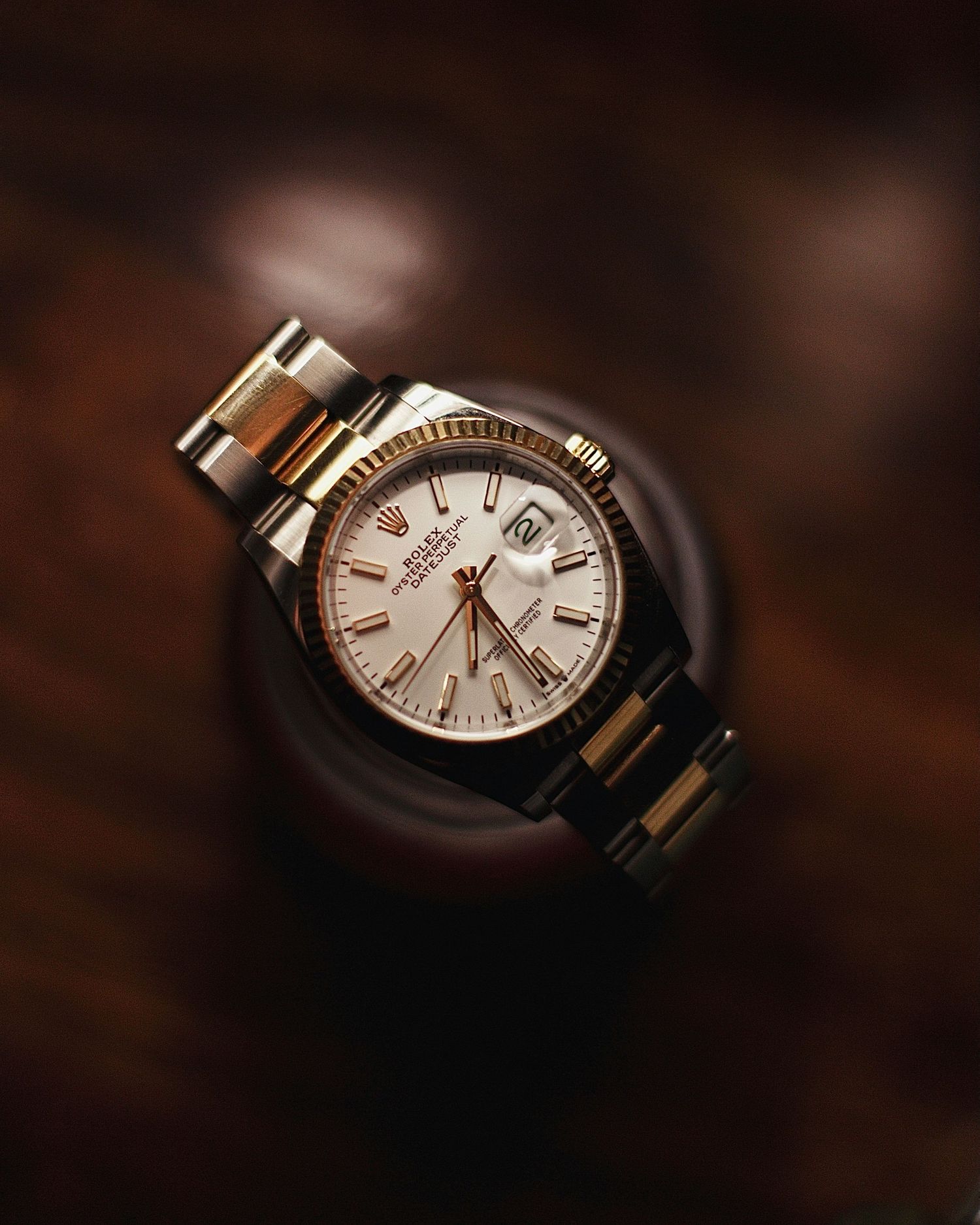
In 1908, he registered the name Rolex.
Wilsdorf later explained that he experimented with countless combinations of letters before the name came to him while riding through London. Whatever mystery surrounded its creation, the genius of the result was undeniable.
Five letters.
Two syllables.
A name with no complicated translation and no dependence on its founder’s identity.
Rolex did not sound like a small company.
It sounded like an institution even before it became one.
12 Fascinating Facts About Rolex
1. “Rolex” does not have a traditional meaning
Hans Wilsdorf wanted a name that was short, memorable and easy to pronounce in any language. After experimenting with hundreds of letter combinations, he said the name came to him while riding through London as though a “genie” whispered Rolex into his ear.
2. Rolex began in London not Switzerland
Although Rolex is inseparable from Swiss watchmaking today, Wilsdorf founded his original company in London in 1905. Rolex relocated to Geneva in 1919, and Montres Rolex S.A. was registered there in 1920.
3. The crown was not always part of the logo
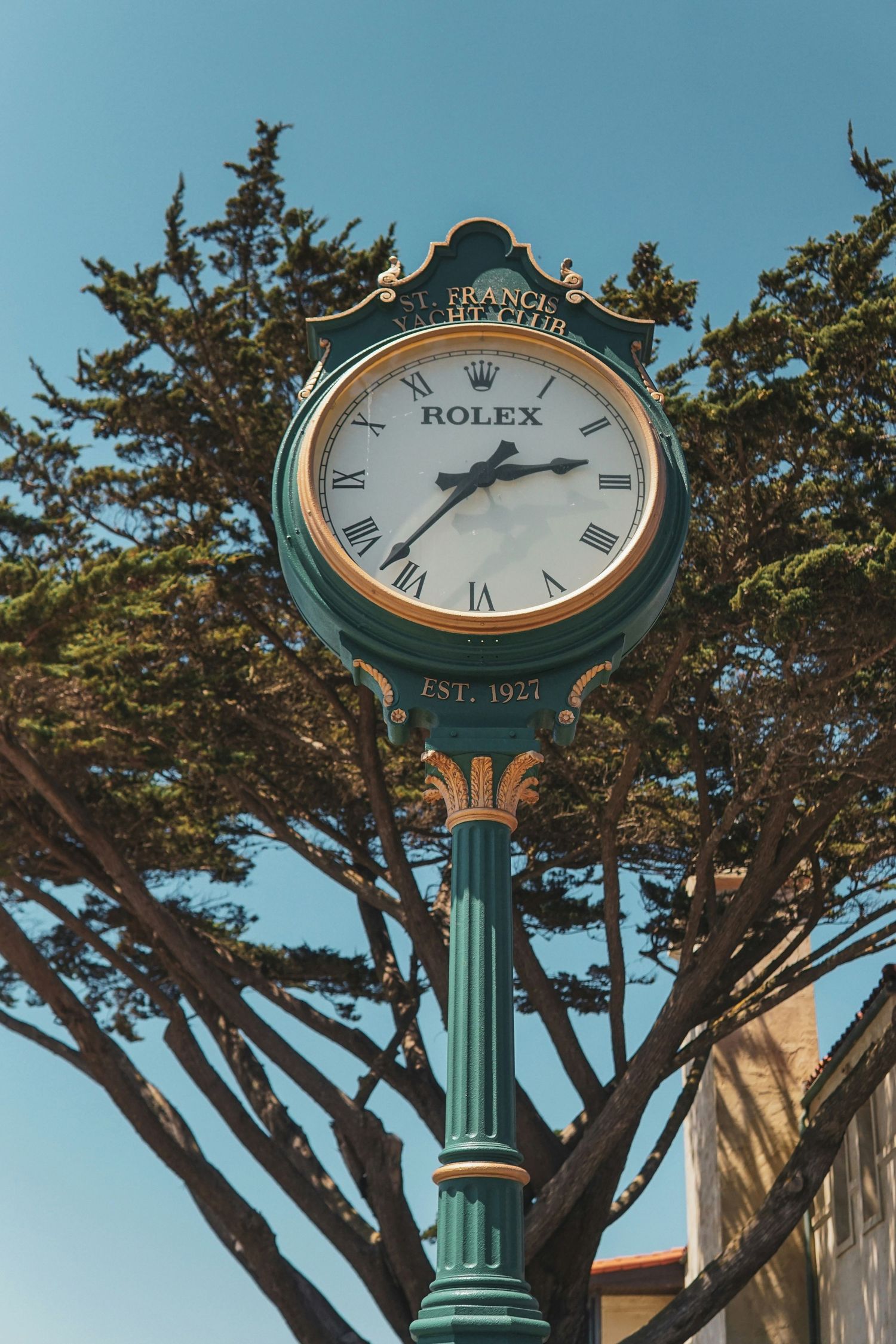
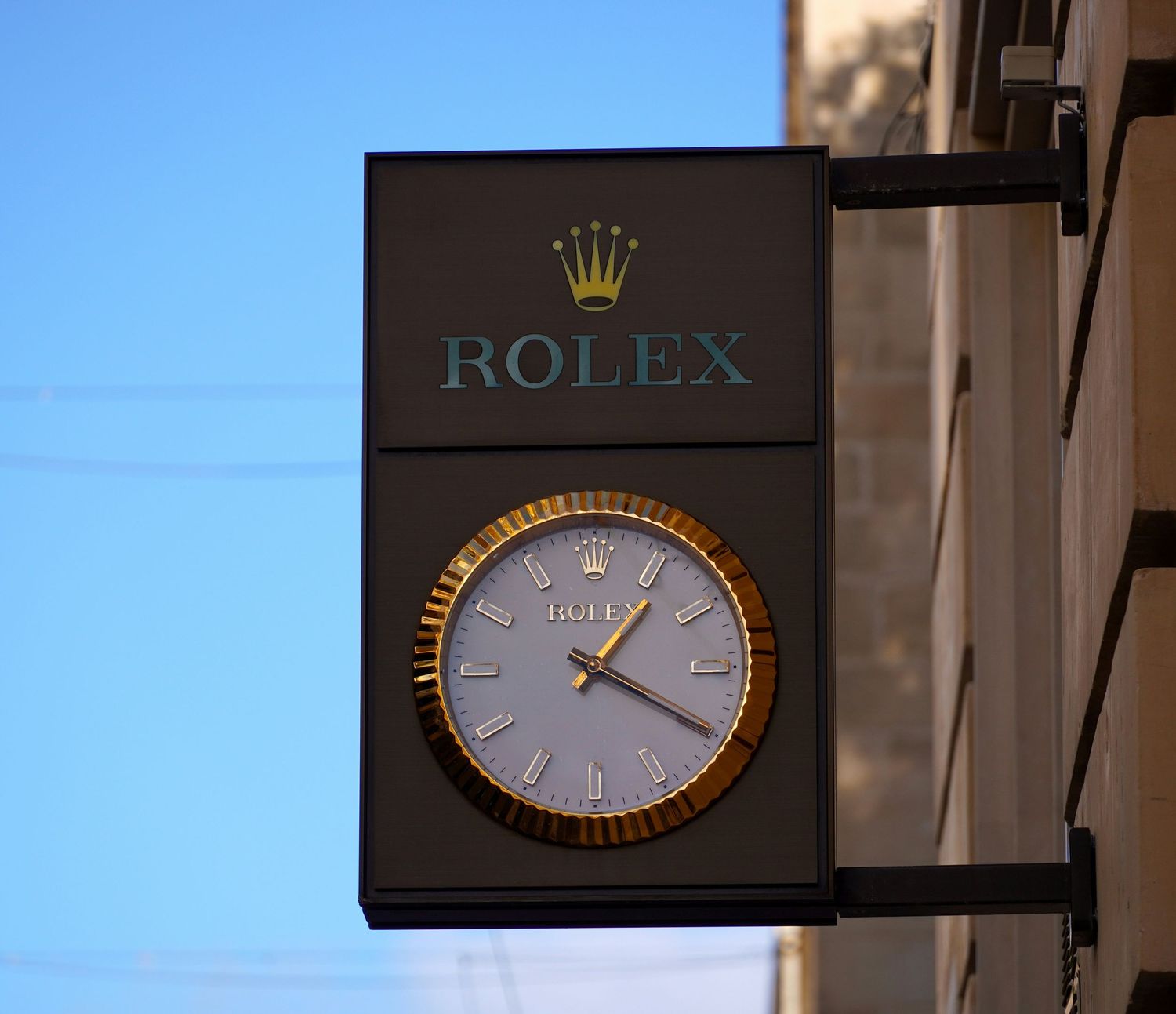
Rolex registered its name in 1908, but the now-iconic five-pointed crown appeared later. It eventually became one of the most recognizable luxury symbols in the world.
4. Rolex helped make men’s wristwatches respectable
In the early 1900s, many men considered wristwatches fragile and feminine. Wilsdorf challenged that belief by proving they could be elegant, accurate and dependable.
5. Rolex achieved a world first in precision
In 1910, a Rolex became the world’s first wristwatch to receive the Swiss Certificate of Chronometric Precision. In 1914, another Rolex earned a Class “A” certificate from Britain’s Kew Observatory an honor previously associated with marine chronometers.
6. “Oyster” describes the watch’s protective shell
The 1926 Rolex Oyster was named for its tightly sealed case. Like an oyster protecting what is inside it, the case protected the delicate movement from water and dust.
7. A woman proved the Oyster’s power
In 1927, swimmer Mercedes Gleitze wore a Rolex Oyster while crossing the English Channel. After more than ten hours in freezing water, the watch remained in perfect working condition.
Rolex then announced the achievement through a full-page front page advertisement in the Daily Mail—an early masterpiece of experiential marketing.
8. “Perpetual” refers to automatic movement
In 1931, Rolex patented a self-winding system powered by a freely rotating rotor. The wearer’s natural wrist movements supplied energy to the watch giving birth to the Oyster Perpetual.
9. Rolex conquered the world’s highest mountain
Rolex supplied watches to the 1953 expedition in which Sir Edmund Hillary and Tenzing Norgay became the first confirmed climbers to reach Mount Everest’s summit. The Explorer was launched that same year.
10. Rolex also reached the deepest ocean
In 1960, an experimental Rolex Deep Sea Special was attached to the outside of the bathyscaphe Trieste as it descended approximately 10,916 metres—35,800 feet—into the Mariana Trench.
It survived the crushing pressure and returned in perfect working order.
11. Rolex returned to the Mariana Trench with James Cameron
During James Cameron’s historic solo dive in 2012, an experimental Rolex Deepsea Challenge traveled outside his submersible. The watch withstood more than twelve tonnes of pressure against its crystal and emerged unharmed.
12. Rolex is controlled by its founder’s foundation
Hans Wilsdorf created the Hans Wilsdorf Foundation in 1945. The foundation owns Rolex, allowing the company to remain independent and continue developing according to its founder’s long-term vision.
The Orphan Behind the Empire
The most powerful part of the Rolex story is not its price, its scarcity or its prestige.
It is the distance between where Hans Wilsdorf began and what he ultimately built.
An orphan with no inherited empire created one of the most recognized symbols of success in human history.
He did it by questioning tradition.
By valuing precision before popularity.
By understanding branding before branding became a modern obsession.
By turning innovation into public theater.
And by refusing to build only for the present.
Wilsdorf understood that greatness is not created in one dramatic moment. It is assembled through thousands of decisions made with extraordinary consistency.
Every detail mattered.
The name.
The movement.
The case.
The proof.
The presentation.
The promise.
That is how a product becomes a brand.
That is how a brand becomes a symbol.
And that is how a symbol becomes immortal.

The Lesson
You do not need to inherit greatness to create it.
Your beginning does not determine the scale of your ending.
The world may misunderstand your vision because it can only judge what already exists. Your responsibility is not to wait for everyone to see it. Your responsibility is to build it so relentlessly that one day they cannot imagine the world without it.
Hans Wilsdorf did not invent time.
He taught the world how to wear it.
And perhaps that is the greatest lesson behind Rolex:
Time alone does not create a legacy.