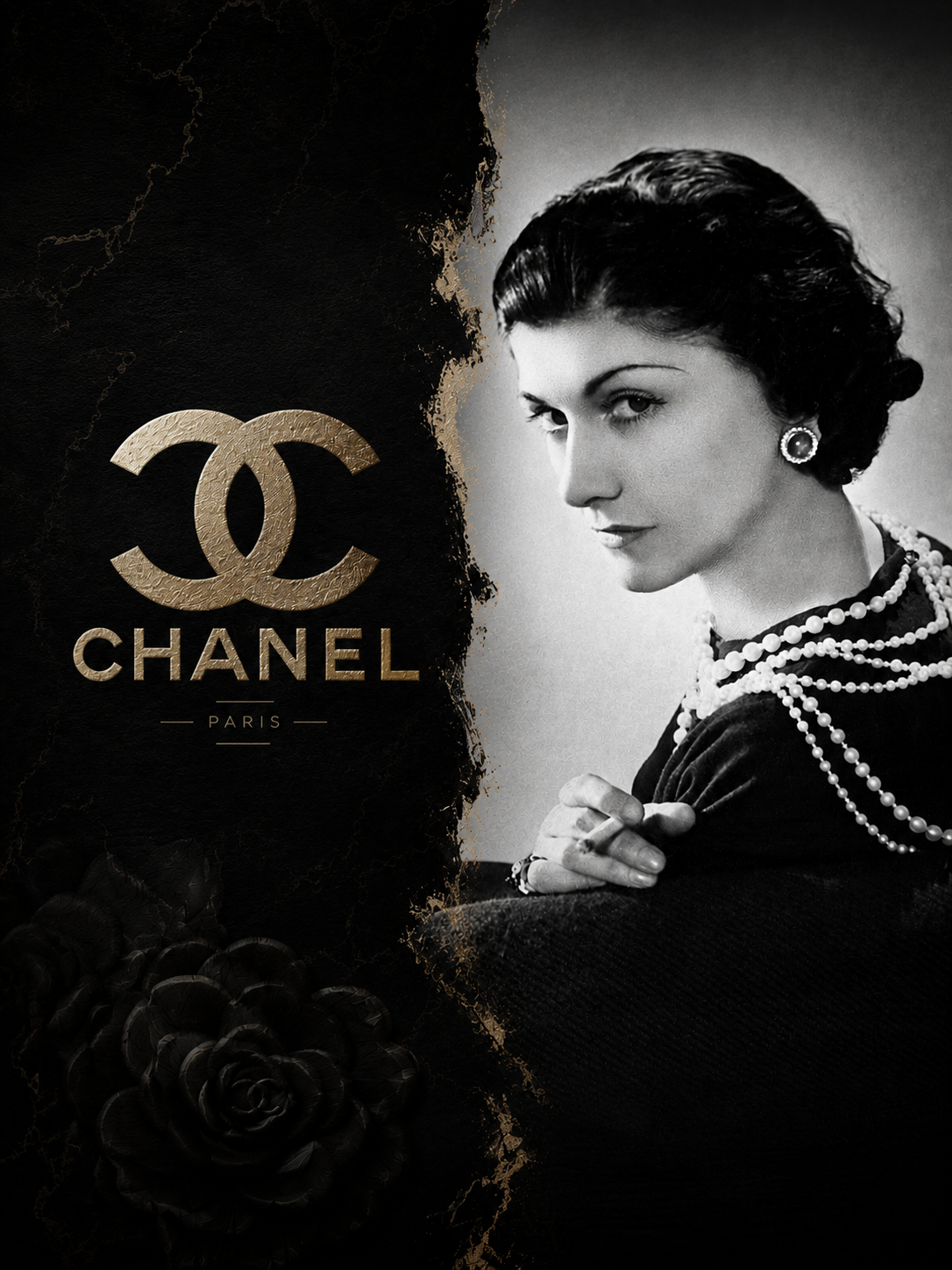
“In order to be irreplaceable, one must always be different.” — Coco Chanel
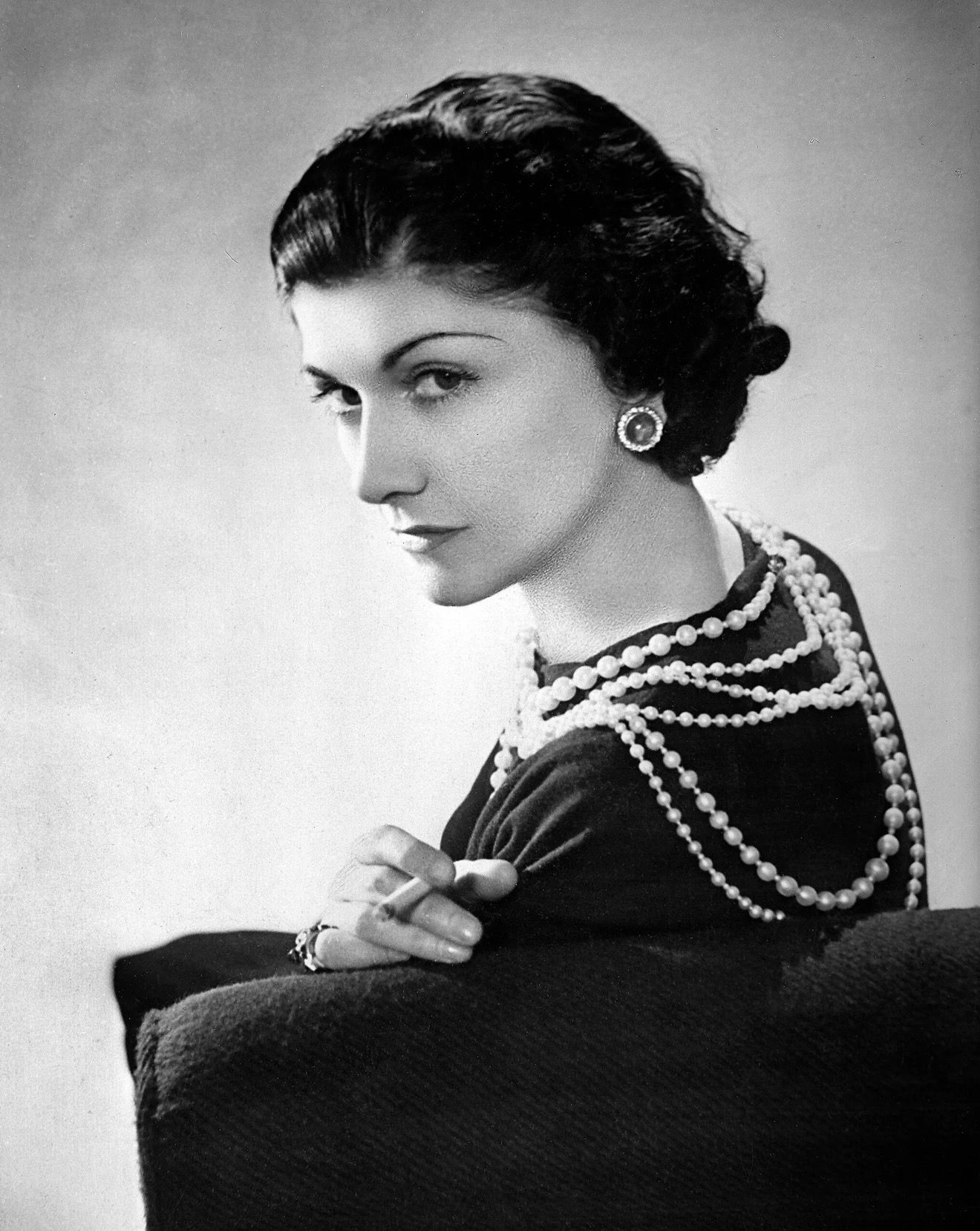
COCO CHANEL
wasn’t born into luxury.
She wasn’t raised in a mansion.
She wasn’t surrounded by haute couture.
She was born into poverty in rural France.
When Gabrielle Chanel was just 11 years old, her mother died.
Soon after, her father left.
He placed Gabrielle and her sisters in an orphanage run by Catholic nuns and disappeared from their lives.
There were no glamorous beginnings.
No wealthy relatives.
No fashion empire waiting for her.
Inside the orphanage, the nuns taught her how to sew.
What seemed like a simple life skill would eventually become one of the most valuable lessons of her life.
As a young woman, she worked as a seamstress by day and sang in cafés by night.
One of the songs she performed repeatedly earned her the nickname “Coco.”
It stayed with her forever.
Gabrielle looked at women’s fashion and saw something most people accepted without question.
Corsets.
Heavy dresses.
Clothing that restricted movement.
She believed elegance shouldn’t imprison women.
It should free them.
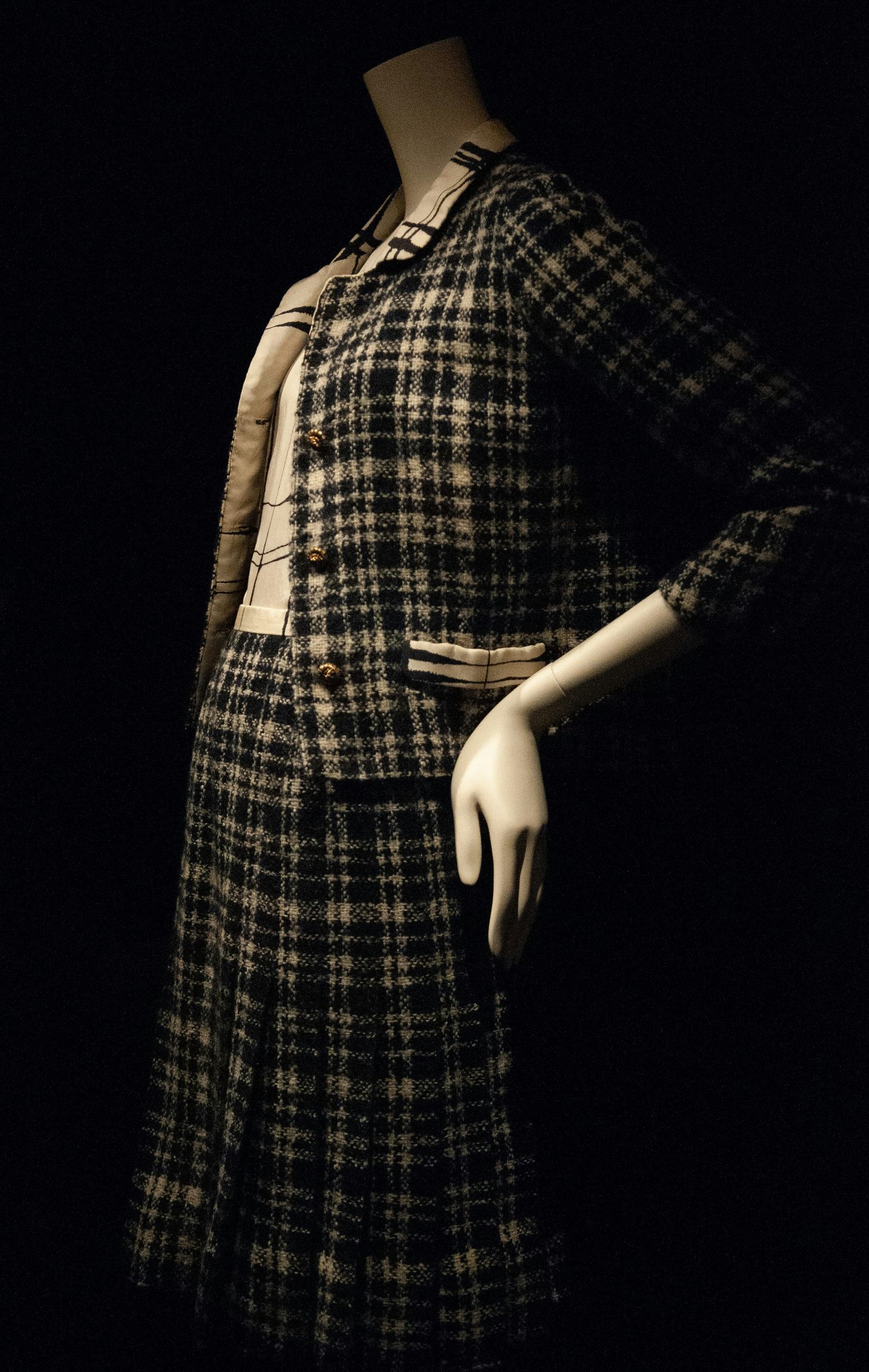
She introduced clean lines.
Comfort.
Simplicity.
Tailored silhouettes.
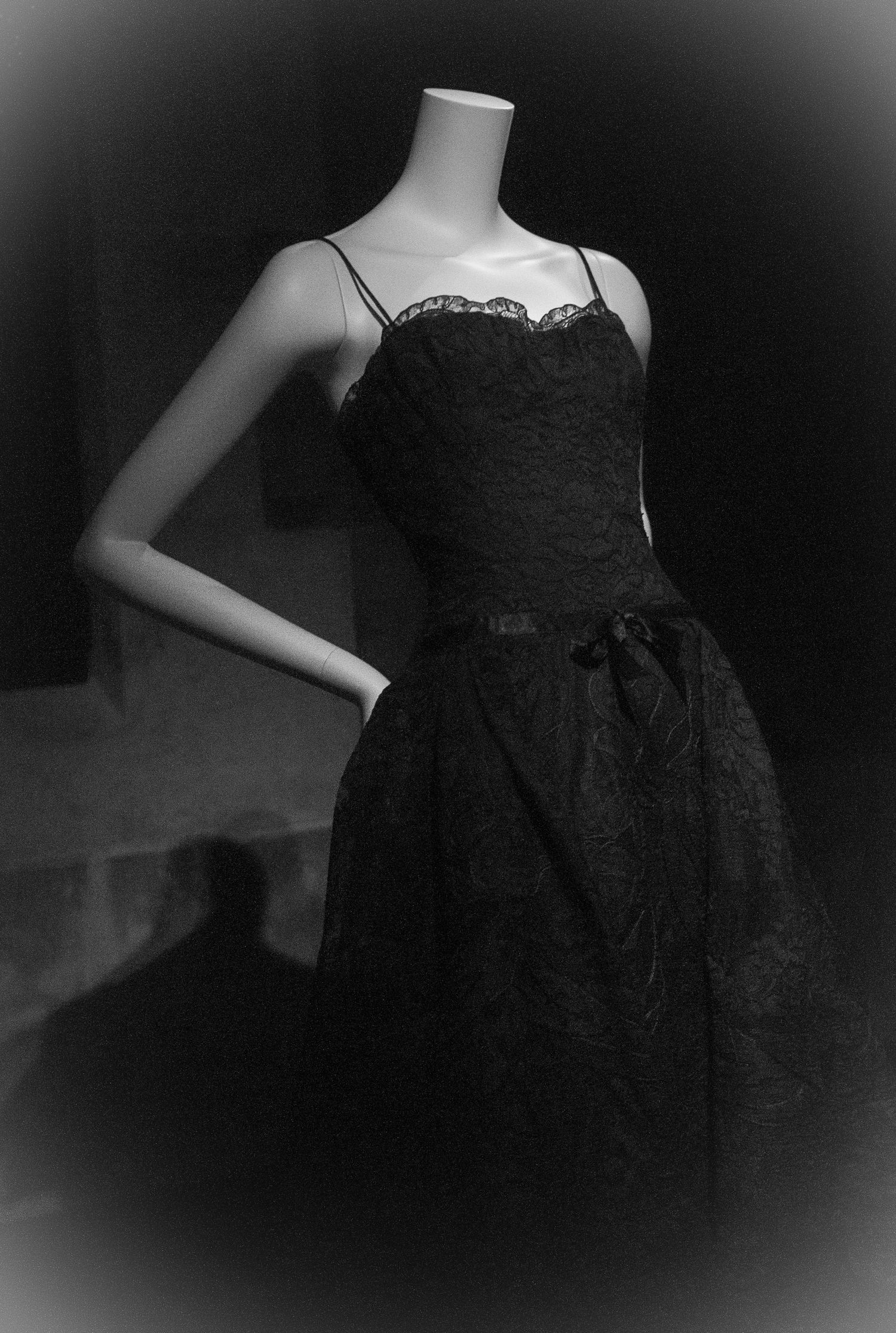
She transformed black from a color associated with mourning into one of sophistication with the famous “little black dress.”
She helped popularize women’s trousers, tweed suits, costume jewelry, and a style that remains timeless more than a century later.


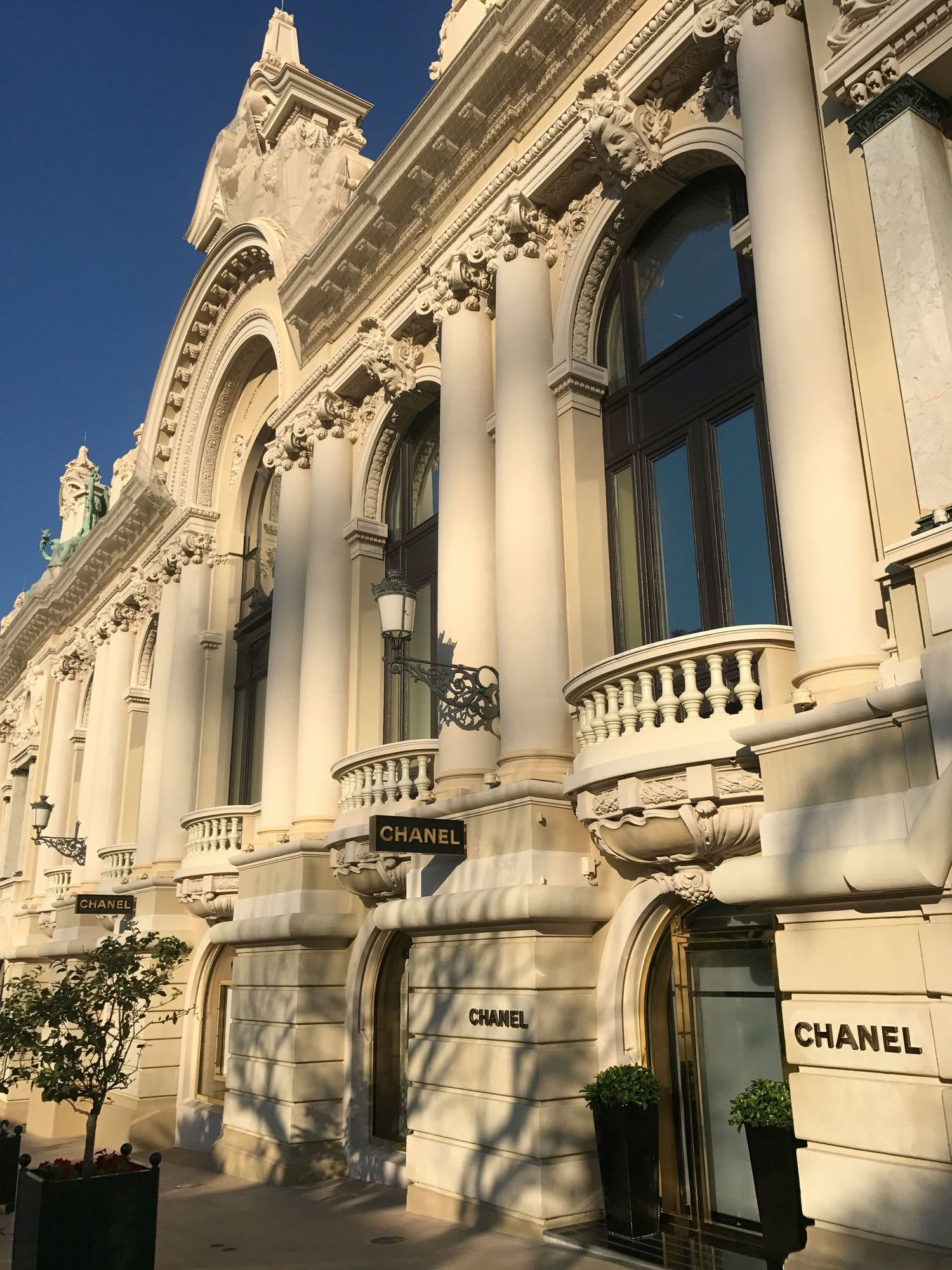
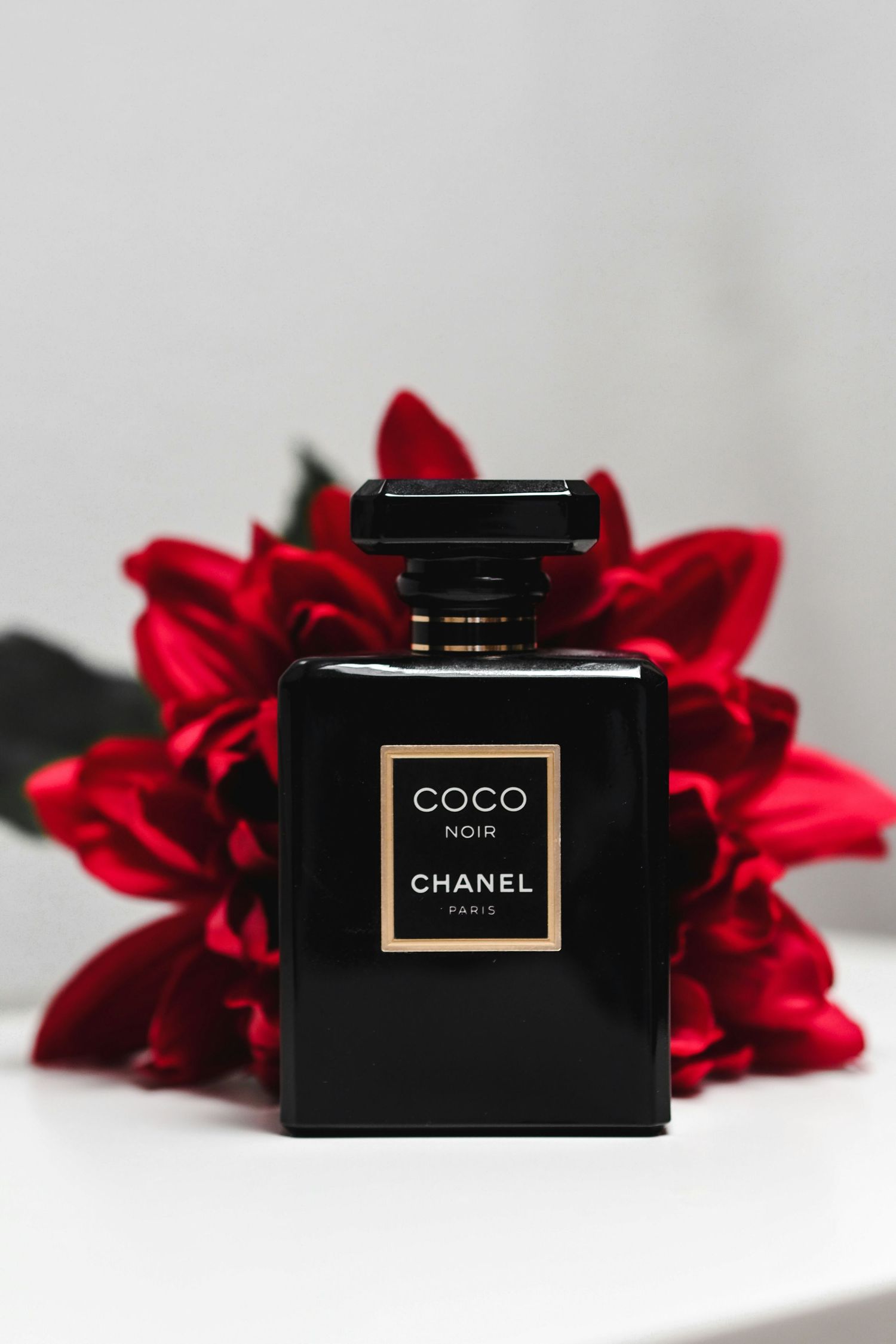
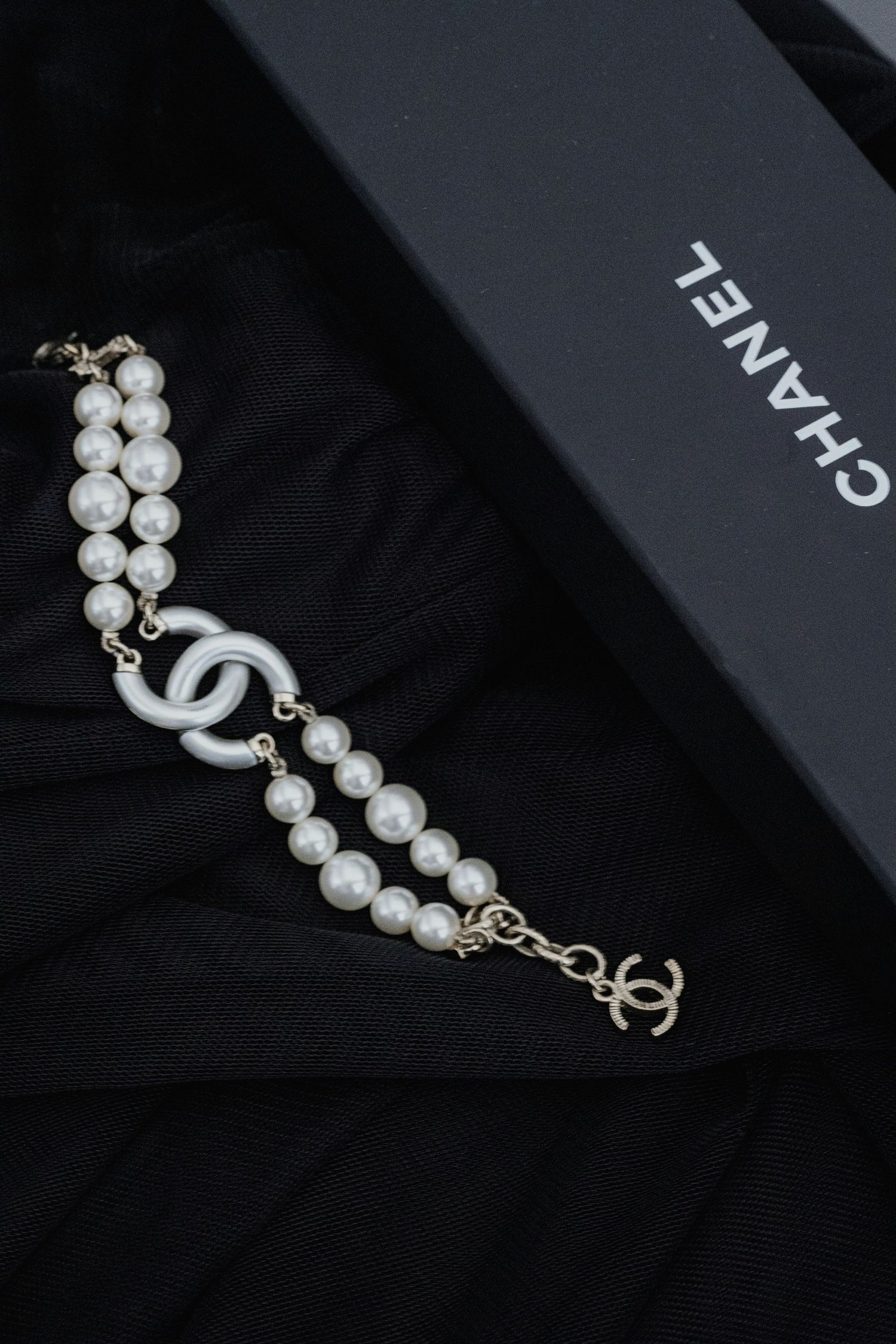
Today, Chanel is one of the most recognizable luxury houses in the world.
But before the runways…
Before the boutiques…
Before the double-C logo…
There was an orphan learning to sew from nuns.


THE LESSON
People admire the elegance.
The handbags.
The perfume.
The legacy.
Few remember the little girl who lost both parents before she had the chance to become one herself.
Coco Chanel didn’t inherit one of the greatest names in fashion.
She created it from hardship, skill, and the courage to challenge everything the world considered normal.
Because sometimes the most extraordinary luxury isn’t being born into greatness.
It’s having the vision to create it from nothing.
Coco Chanel
didn’t simply create beautiful clothes.
She challenged conventions.
She questioned traditions that everyone else accepted without hesitation.
She proved that elegance isn’t purchased—it is cultivated.
And perhaps that’s why, more than a century later, the name Chanel still represents timeless luxury rather than passing fashion.
The greatest brands are never remembered because they followed the market.
They are remembered because they changed it.
Maybe that’s the real lesson hidden behind the double C.
Your circumstances don’t determine your legacy.
Your courage does.
The courage to think differently.
The courage to create what doesn’t yet exist.
The courage to build something that will outlive you.
Because long after trends disappear and fortunes change, the world remembers the people who dared to redefine what was possible.
In the next chapter of Origins of Greatness, we’ll uncover the remarkable stories behind the visionaries who didn’t just build companies, they reshaped industries and inspired generations.
If this story inspired you, share it with someone building a dream of their own.
Because greatness has never been reserved for the fortunate.
It has always belonged to those courageous enough to pursue it.
Which legendary entrepreneur should we explore next? Hermes? Dior? Ferrari? Rolex? Bentley? Bugatti?
The next chapter starts with your vote.
Kindly,
_Bob Marley Domeck